The Stratospheric-Tropospheric Exchange Project (STEP) was an interorganizational campaign with NASA and the National Oceanic Atmospheric Administration (NOAA). STEP had two mission objectives. The first objective was to investigate mechanisms and rates of irreversible transfer of mass, trace gases and aerosol from troposphere to stratosphere and in the lower stratosphere. The second objective of STEP was to explain the observed dryness of the stratosphere.
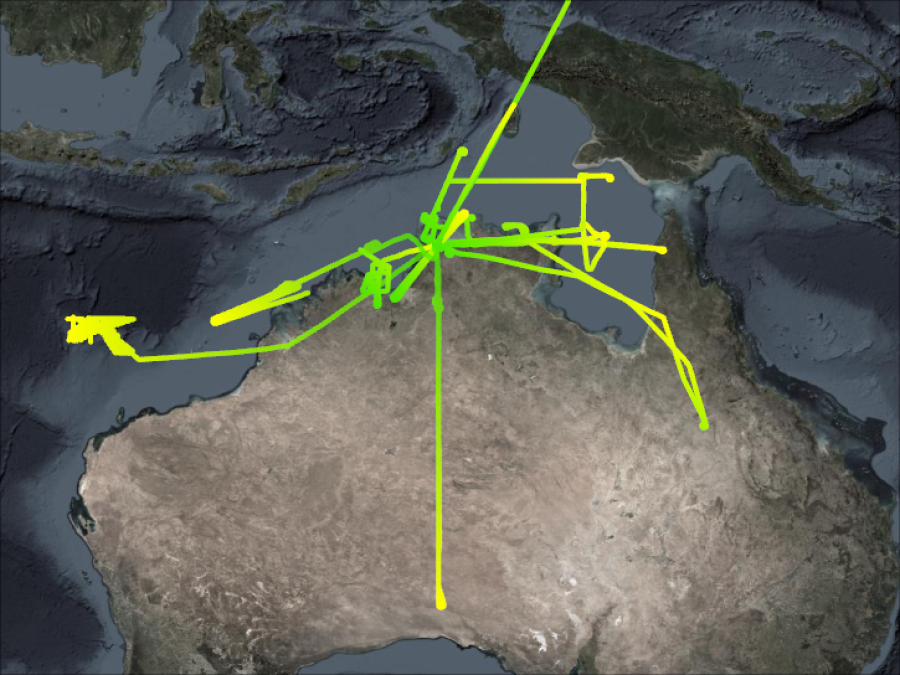
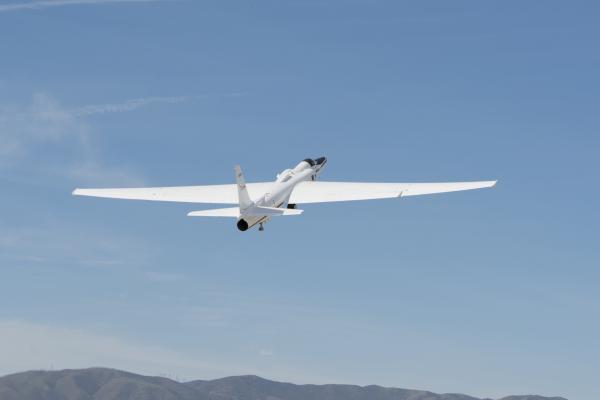
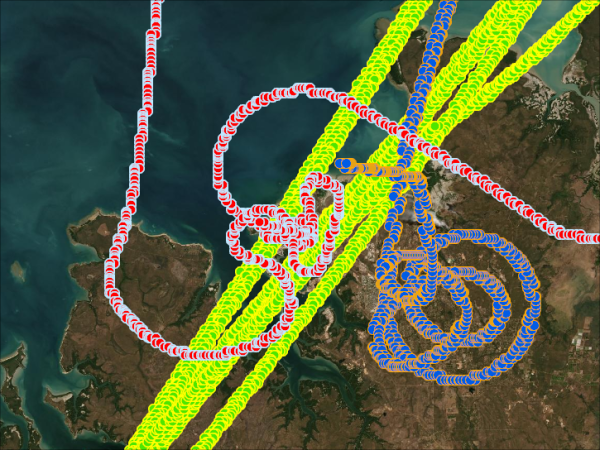
STEP utilized the NASA ER-2 aircraft and NASA U-2 aircraft to collect data. Two deployments occurred with U-2 flights taking place in April to May 1984, while ER-2 flights were conducted from January to February 1987 in and around Darwin, Australia. While there is data available for the NASA ER-2, there is no data archived for the NASA U-2. However, it was noted that the U-2 instruments measured horizontal wind, temperature, pressure, water vapor, ozone, and condensation nuclei.
The ER-2 was equipped with 15 instruments in order to accomplish the mission objectives. Among these 15 instruments are:
- Harvard Total Water (HTW), a fluorescence type instrument that was utilized to measure total H2O in the atmosphere.
- NOAA NOy Instrument (NOAA NOy), a chemiluminescence instrument that collected data on NO, NO2, and NOy in parts per trillion by volume (pptv).
- Dual-Beam UV-Absorption Ozone Photometer (NOAA O3 Classic), a photometer that, as its name suggests, collected data on O3 in parts per billion by volume (ppbv).
- Meteorological Measurement System (MMS), collected meteorological data, such as 3D wind, turbulence, temperature, velocities, true-airspeed, and potential temperature.
- Microwave Temperature Profiler (MTP), a microwave radiometer which was used in STEP to measure air temperature.
- Condensation Nuclei Counter (CNC) tasked with counting the cloud condensation nuclei (CCN).