The Smoke/Sulfate, Clouds, and Radiation – Brazil (SCAR-B) field experiment was conducted in the Brazilian Amazon and Cerrado regions during August and September 1995. SCAR-B was a collaboration between American and Brazilian scientists that involved 4 NASA centers, 2 U.S. agencies, 5 U.S. universities, 12 Brazilian agencies, and 6 Brazilian universities.
SCAR-B provided measurements of the emissions of trace gases and aerosol particles, as well as measurements about how those emissions evolved and interacted in the atmosphere. Using these measurements, SCAR-B characterized the impacts of biomass burning on direct and indirect forcing of solar radiation, atmospheric chemistry, and radiation.
The research of SCAR-B was used to evaluate remote sensing techniques against in-situ measurements to prepare for future data collection using the Moderate Resolution Imaging Spectrometer (MODIS) instrument, which launched aboard the Terra satellite in 1999. SCAR-B was third in a series of field experiments that were designed to understand the atmospheric impacts of aerosols that resulted from different events such as fossil fuel burning and wildfires.
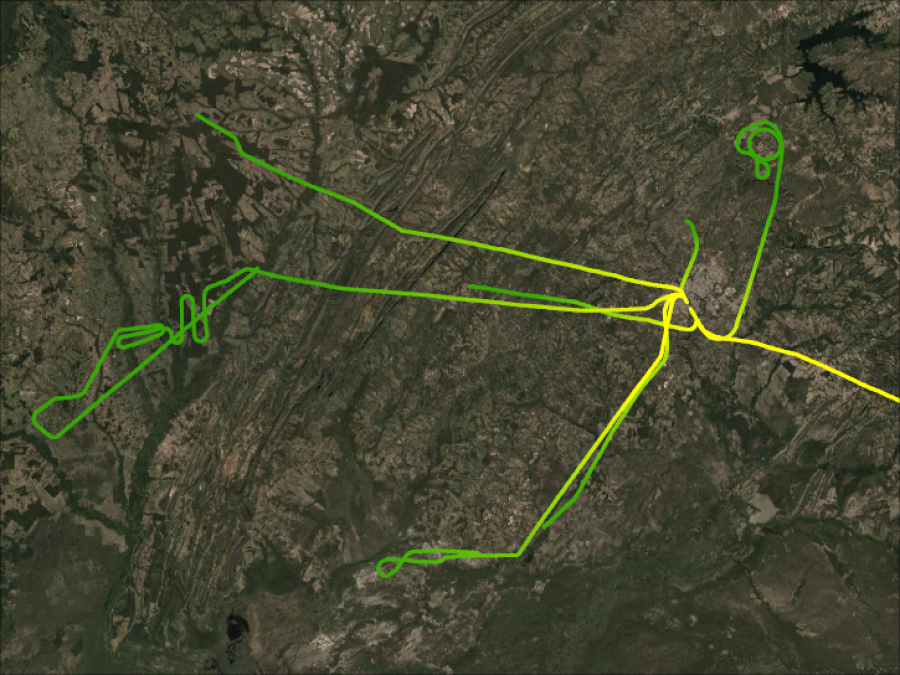
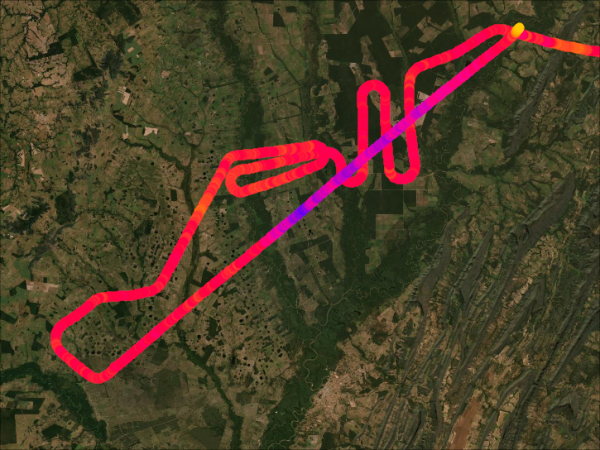
ASDC houses SCAR-B data collected from the enhanced MODIS Airborne Simulator (eMAS) aboard the NASA ER-2 research aircraft, which conducted twelve science flights during SCAR-B from August 13 to September 11, 1995. In addition to ER-2 eMAS data, ASDC houses SCAR-B data collected from the University of Washington’s Convair C-131A research aircraft.
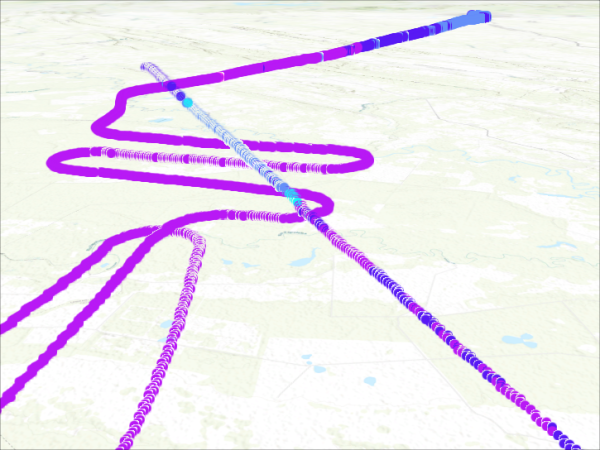
The C-131A conducted 29 research flights from August 17 to September 20, 1995, and collected navigational and flight characteristics in addition to general meteorological, cloud physics, aerosol, cloud and atmospheric chemistry, remote sensing, data processing, and display measurements. Ground-based in-situ and remote sensing measurements and satellite observations complemented airborne data in SCAR-B. ASDC houses ground-based data from the Aerosol Robotic Network (AERONET) in addition to data related to satellite observations from GOES-8.