
During 1983-2001, NASA conducted a collection of field campaigns as part of the Global Tropospheric Experiment (GTE) for developing advanced instrumentation to quantify atmospheric trace gases’ sources, sinks, and distribution as well as gain a better understanding of atmospheric chemical processes throughout the troposphere.
Among those field campaigns were the Amazon Boundary Layer Experiment (ABLE) campaigns. The ABLE expeditions were separated into three different campaigns designed to study ecosystems whose biosphere-atmosphere interactions strongly influence global tropospheric chemistry.
ABLE 2 was designed to gain a better understanding of the role of the tropics in global atmospheric chemistry and to investigate processes which might lead to the enhanced concentrations of carbon monoxide (CO) in the tropical upper troposphere (Harriss et al., 1988).
ABLE 2 was a collaboration between NASA and the Brazilian agency, Instituto Nacional de Pesquisas Espaciais (INPE), along with the Instituto Nacional de Pesquisas da Amazonia (INPA), which provided facilities and logistical information.
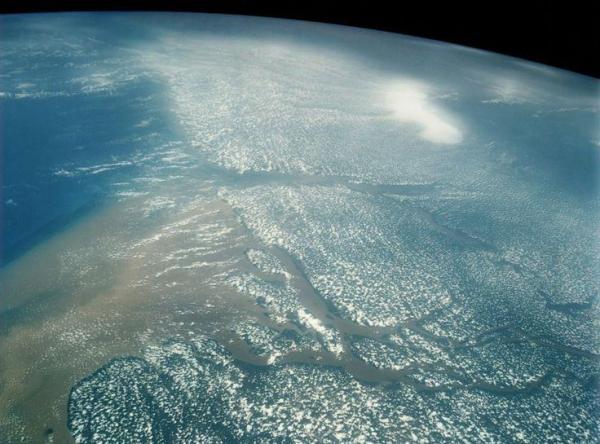
ABLE 2 was divided into two sub-campaigns, ABLE 2A (dry season, July-August 1985) and ABLE 2B (wet season, April-May 1987). To accomplish its objectives, the ABLE 2 science team deployed the NASA Lockheed Electra aircraft, balloons, and free-flying sondes in conjunction with local trace gas and meteorological ground sites and towers. Flights took place over the Amazon region of Brazil for both sub-campaigns.
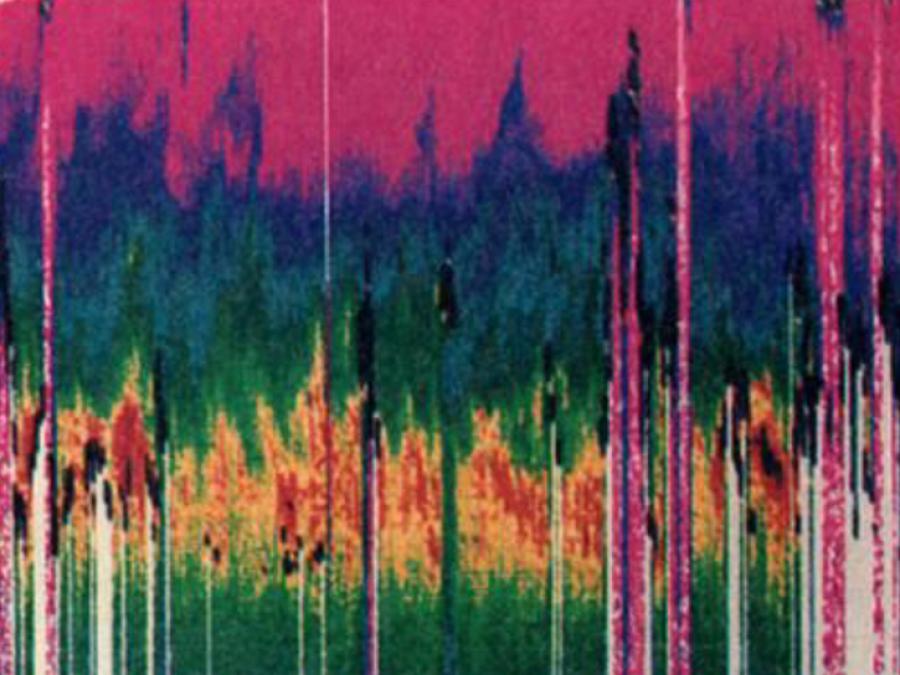
ABLE 2A consisted of 15 flights, which included in situ measurements of carbon dioxide (CO2), CO, nonmethane hydrocarbons (NMHC), NO (nitric oxide), nitrous oxide (N2O), ozone (O3), dimethyl sulfide (DMS), aerosol composition, and meteorological parameters and remotely sensed measurements of aerosol and ozone distributions. ABLE 2B consisted of 21 flights instrumented to measure the atmospheric distribution of a variety of carbon, nitrogen, and sulfur gases; aerosol size and composition, and ozone (Harriss et al., 1990).
The ABLE 2 campaign advanced the understanding of the influence of the tropical rain forest ecosystem on the chemistry of the troposphere. The most significant outcome of ABLE 2 was the successful demonstration that an integrated suite of ground-based, aircraft, and satellite measurements can be used to quantify bio-atmosphere exchange processes through direct measurements over a range of space and time scales (Harriss et al., 1990).
Detailed descriptions related to the motivation, implementation, and instrument payloads are available in the ABLE 2A overview paper and the ABLE 2B overview paper. A collection of publications based on ABLE 2A and 2B observations are available in the Journal of Geophysical Research special issues: Global Tropospheric Experiment/Chemical Instrumentation Test and Evaluation Results (GTE/ABLE 2A) and The Amazon Boundary Layer Experiment 2B.